Crown Thinning in Battersea
If you are looking for crown thinning in Battersea, you are likely dealing with a tree that has become too dense, too heavy, or too restrictive for the space around it. In a busy part of London like Battersea, where homes, gardens, patios, shared access routes, commercial forecourts, and street-facing trees all sit close together, a carefully thinned crown can make a noticeable difference. It can let more daylight through, reduce wind resistance, improve airflow, and help a tree sit more comfortably within its surroundings without stripping it back too hard.
For many local property owners, crown thinning is not just about appearance. It is about maintaining a healthy, manageable tree that works better with the property, the neighbours, and the wider landscape. Whether you have a mature tree in a rear garden near Battersea Park, trees on a residential terrace, or greenery surrounding a business premises, a thoughtful thinning service can support both safety and aesthetics while preserving the tree’s natural shape.
When done properly, crown thinning is selective and subtle rather than drastic. The aim is to remove chosen branches throughout the crown to improve balance and reduce density, while keeping the tree’s overall outline intact. That makes it especially useful for Battersea customers who want a professional result that respects both the tree and the property setting.
What crown thinning means for Battersea properties
Crown thinning is the selective removal of branches from throughout a tree’s canopy. Rather than shortening the whole crown or dramatically changing its silhouette, the work focuses on reducing internal congestion. This allows more light to pass through the tree, improves air movement around leaves and branches, and can lower the strain placed on limbs during windy weather. For properties in Battersea, where many gardens and shared spaces are overlooked by neighbouring homes, this can be a very practical improvement.
Local customers often ask whether thinning will make a tree look bare. When it is carried out well, it should not. The intention is to maintain a natural appearance while making the crown feel lighter and less crowded. A well-balanced crown thinning service can be ideal for trees that are healthy but overly dense, especially where the canopy is blocking light from windows, shading lawns too heavily, or reaching awkwardly over walkways, parking areas, or boundaries.
Because Battersea includes a mix of period terraces, modern apartment developments, townhouses, commercial units, and riverside properties, each site can present different challenges. Space is often tight, access may be limited, and neighbouring land needs careful consideration. A local arborist familiar with the area can plan the work around those constraints and recommend a finish that suits the site rather than applying a one-size-fits-all approach.
Why local customers choose crown thinning
There are many reasons people request crown thinning in Battersea. Some want more natural light inside the home. Others want to reduce the visual dominance of a mature tree. In some cases, the goal is to limit wind sail and reduce the chance of branch movement causing stress in storms. For commercial customers, thinning may help improve sightlines, reduce leaf build-up on roofs and canopies, or keep outdoor areas more pleasant for staff and visitors.
The service is particularly useful for trees that are healthy enough to keep, but simply need more breathing room. Instead of removing the tree or cutting back hard, thinning respects the original planting while making it more compatible with modern living. This can be important where trees are a valued part of the streetscape or garden design, yet are beginning to create shade, mess, or nuisance due to over-dense growth.
Common customer concerns often include branches brushing windows, reduced garden light, humidity build-up under the canopy, poor visibility near entrances, or heavy crowns that look out of proportion. Crown thinning addresses these issues in a measured way, making it a popular option for homeowners, landlords, managing agents, and businesses across Battersea.
How crown thinning works
A professional crown thinning job starts with a detailed inspection of the tree. The arborist looks at species, age, health, branch structure, previous pruning history, and the surrounding environment. Not all trees respond the same way, so a careful assessment matters. The team will consider whether thinning is the right choice or whether another type of pruning would be more suitable for your particular tree and location.
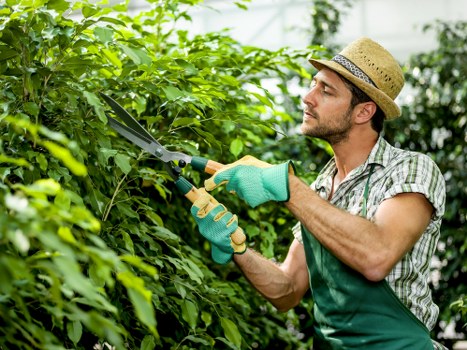
Once the plan is agreed, selected branches are removed from across the crown. The idea is to reduce overall density without creating gaps or a lopsided finish. A skilled tree surgeon will usually focus on crossing branches, crowded sections, and areas where excess weight is building up. The amount removed will depend on the species and condition of the tree, but the final result should remain natural-looking and structurally sound.
For local clients in Battersea, access planning is often a key part of the process. Narrow side passages, shared alleyways, basement light wells, rear access only, and limited parking can all affect how the work is completed. A local team used to working in SW11 and nearby areas can plan the right equipment, keep disruption down, and manage the job efficiently from start to finish.
Benefits of crown thinning for homes and businesses
Crown thinning offers several practical advantages, especially in a built-up neighbourhood. One of the biggest benefits is improved light penetration. Many Battersea gardens are enclosed by neighbouring buildings or fences, so a dense canopy can make an already shaded space feel even darker. Thinning can help create a brighter, more usable outdoor area and may also increase natural light entering the property itself.
Another benefit is better airflow through the crown. This can be helpful for tree health because it reduces trapped moisture and allows the canopy to dry more quickly after rain. In some cases, it may also reduce the likelihood of fungal issues associated with poor ventilation. From a structural point of view, thinning can reduce wind resistance, which is particularly relevant in exposed or elevated positions, and for trees growing near open streets or river corridors.
For commercial customers, the benefits can extend to presentation and practicality. A lighter crown can make entrances more inviting, improve visibility for signage or facades, and reduce the amount of leaf litter accumulating in gutters, canopies, and paved areas. That makes crown thinning a sensible maintenance choice for offices, shops, hospitality venues, and managed properties.
Typical results customers notice
- More daylight reaching gardens, patios, and windows
- A less crowded, more balanced canopy
- Improved airflow around the tree
- Reduced branch movement in wind
- Better visibility around entrances and pathways
- A tidier appearance without losing the tree’s character
Why Battersea properties benefit from a local arborist
Battersea is a varied area, and that variety matters when it comes to tree work. A Victorian terrace with a compact rear garden has different needs from a riverside apartment block, a mews property, or a business premises near a busier road. Trees might sit close to boundaries, overhang neighbouring gardens, or be positioned near driveways, communal spaces, and footpaths. A local arborist understands how to work within those constraints while protecting the tree and respecting nearby properties.
Local knowledge also helps with practical access. In some Battersea streets, parking is limited, loading can be tricky, and equipment must be transported carefully to avoid inconvenience. A team that regularly works locally is more likely to anticipate these issues and arrive prepared. That can make a real difference to how smoothly the job runs, especially when larger pruning equipment or waste removal vehicles are needed.
There is also the question of tree type and setting. Battersea contains a broad mix of ornamental and mature trees in private gardens, shared courtyards, and public-facing spaces. Different species have different responses to pruning, and the amount of thinning suitable for one tree may not suit another. A thoughtful, location-aware service helps ensure the outcome supports both the tree and the property around it.
What is included in a crown thinning service

Customers often want to know exactly what happens during the visit. While each job is tailored to the tree and site, a professional crown thinning service in Battersea usually includes a full assessment, selected branch removal, safe working methods, and clear site clearance afterwards. The aim is to leave the tree healthier in appearance and the property tidy when the work is complete.
A good service should also include consideration of neighbouring structures, rooflines, fences, sheds, glass, and any overhead utilities or sensitive areas nearby. Where needed, the arborist may recommend combining thinning with minor deadwood removal or a light shaping approach, provided it suits the tree. The key is making careful decisions rather than cutting for the sake of it.
Depending on the tree and site, the work may involve rope-assisted pruning, sectional lowering of cut branches, or other controlled methods that reduce the chance of damage. Safety, precision, and cleanliness are all part of a well-run local service, especially in residential streets and business settings where disruption needs to be minimal.
Service elements commonly included
- Initial inspection and discussion of your goals
- Advice on whether thinning is suitable
- Selective pruning throughout the crown
- Attention to tree structure and symmetry
- Care around walls, roofs, gardens, and shared areas
- Removal and tidying of arisings where agreed
When crown thinning may be the right choice
Not every tree needs the same treatment, and crown thinning is best used when the tree is otherwise healthy but too dense for the space. It is often suitable when a tree has become heavy with inner growth, when branches overlap too closely, or when the canopy is blocking too much light. It can also be a strong option where you want to keep a mature tree but make it easier to live with day to day.
In Battersea, the service is often requested for trees near patios, rear gardens, shared courtyards, and commercial frontage areas. It may also be useful where branches are creating excess shade over lawns, obscuring views from windows, or contributing to a damp, stagnant feel in a confined outdoor area. In these situations, thinning can improve comfort without the more dramatic change associated with heavier pruning.
However, thinning is not always the answer. If a tree is diseased, structurally unstable, suffering severe dieback, or growing in the wrong place, another approach may be more appropriate. That is why a proper site visit and expert advice matter. A responsible arborist will always explain the best option for the tree rather than pushing unnecessary work.
Signs thinning may help
- The crown looks crowded or overly heavy
- Light levels in the garden are poor
- Branches are rubbing against one another
- The tree catches too much wind and sways excessively
- The canopy feels too close to windows or buildings
- You want to improve the tree’s appearance without drastic reduction
What to expect from a local visit in Battersea
Before the work begins, the arborist should assess the tree, confirm access arrangements, and discuss the outcome you want to achieve. This is where you can explain whether your priority is more light, better shape, reduced wind load, or improved clearance over a roofline or boundary. Good communication at this stage helps ensure the finished result matches your expectations.
On the day, the team will usually work methodically from the upper canopy down, removing selected branches with care and checking the balance as they go. For larger trees, climbing and rope techniques may be used to avoid unnecessary disturbance to the rest of the garden. A professional crew will also take care to protect lawns, paving, planted borders, and hard landscaping as much as possible during the job.
After the pruning is complete, the tree should be left tidy, with the crown appearing lighter and less congested but still natural. In a residential setting, this often means you can enjoy the garden again with more light and less dominance from the canopy. In a commercial setting, it may mean a smarter, more welcoming exterior that works better for staff, visitors, or customers.
Preparing for crown thinning
Preparation does not need to be complicated, but a little planning helps the visit run smoothly. If the tree is in a private garden, it helps to clear access routes and move fragile items away from the working area. For shared or commercial spaces, it may be useful to notify occupants or neighbours if equipment needs to pass through common areas. The goal is simply to make the site safe and easy to work in.
It is also helpful to think in advance about the result you want. Do you want more morning light into the kitchen? Less shade on the lawn? Better clearance over a driveway? A more open view from upper-floor windows? Sharing those priorities means the pruning can be targeted to the parts of the crown that matter most to you. That can make a real difference to the final outcome.
For trees in Battersea close to party walls, fences, or neighbouring gardens, it is also sensible to consider how the work may affect shared boundaries. A local company experienced with urban tree care can help keep the process straightforward and respectful for everyone involved.
Simple preparation checklist
- Move garden furniture, pots, and delicate ornaments
- Keep pets and children away from the work area
- Make side access or gate access available if needed
- Tell neighbours if any shared access will be used
- Point out any special concerns before the work starts
- Confirm whether you want waste removed or left in a specific location if agreed
Pricing factors for crown thinning in Battersea
Every tree and site is different, so pricing is usually influenced by several factors rather than one fixed figure. Tree size, crown density, species, access, location, and the amount of time needed all affect the overall cost. A small ornamental tree in an accessible garden will usually be less involved than a large mature tree overhanging a roof or standing in a tight rear courtyard.
Access is a particularly important factor in Battersea. Some properties have limited off-street access, which can make equipment handling and waste removal more time-consuming. Trees close to buildings, conservatories, glass structures, or delicate planting may also require extra care and additional labour. Commercial sites may need scheduling to reduce disruption to staff or customers, and that can influence the planning of the job.
It is always best to request a tailored quote based on an inspection or clear site details. That way, you can get a realistic understanding of the work involved and avoid surprises. A good local company will explain what is included, what factors affect the cost, and whether any additional tree care might be helpful at the same time.
Residential and commercial crown thinning
Crown thinning is not just for private gardens. In Battersea, it is often used by landlords, block managers, schools, hospitality venues, offices, and retail premises that need trees to look good while remaining practical for daily use. Trees near entrances, seating areas, car parks, bin stores, or loading points may all benefit from a more open canopy.
For homeowners, the service is often about comfort, light, and maintaining a pleasant garden setting. For businesses, it may be about presentation, access, safety, and making sure trees support the site rather than interfere with it. In either setting, the same careful principles apply: keep the tree natural, improve the balance, and avoid unnecessary over-pruning.
In a busy local area, flexibility matters. A local team can adapt the work to suit domestic appointments, out-of-hours commercial requirements, or properties with shared management arrangements. That makes it easier to keep the process efficient and low stress.
Examples of sites that may benefit
- Terraced homes with mature rear-garden trees
- Apartment blocks with courtyard planting
- Offices needing cleaner frontage areas
- Shops and hospitality venues with ornamental trees
- Managed communal gardens and shared landscapes
- Properties with trees shading windows and patios
Areas covered around Battersea
Customers looking for crown thinning in Battersea often also need help in nearby neighbourhoods where similar housing and access conditions apply. Trees in parts of Clapham, Wandsworth, Nine Elms, Queenstown Road, Battersea Park, Lavender Hill, and surrounding South West London streets often grow in compact spaces that benefit from precise pruning and careful planning. The local character of the area means trees frequently sit close to homes, fences, and public-facing spaces.
That local context matters because it shapes how the work is carried out. A tree in a broad open garden may be easy to reach, while a tree behind a mews property or within a managed block may need more careful access handling. The more familiar the team is with local layouts and common constraints, the easier it is to complete the work with minimal inconvenience.
If you are not sure whether your property falls within the service area, it is worth enquiring. A locally based tree surgeon may still be able to help with nearby streets and surrounding districts, especially where similar access and tree care needs are involved.
Frequently asked questions
Will crown thinning damage my tree?
When carried out by a skilled arborist, crown thinning should not damage a healthy tree. The work is selective and designed to preserve structure while reducing density. Problems usually arise when pruning is too heavy, too frequent, or poorly targeted, which is why professional judgment is important.
How often should a tree be thinned?
That depends on the species, growth rate, age, and the environment it is growing in. Some trees may only need occasional attention, while others in dense urban settings may require more regular maintenance. A local arborist can advise based on the specific tree and how quickly it is changing.
Is crown thinning the same as crown reduction?
No. Crown thinning removes selected branches throughout the canopy to reduce density, while crown reduction shortens the overall size of the crown. They can sometimes be used together in a limited way, but they serve different purposes. If you mainly want more light and airflow without losing the tree’s shape, thinning is often the better option.
Will the tree look smaller afterwards?
Not necessarily. A thinned crown usually looks lighter and less congested, but it should keep the same general outline. If you want the tree to be noticeably smaller, a different pruning approach may be required. The arborist should explain what result is realistic before work starts.
Can crown thinning help with a tree overhanging my neighbour’s garden?
Yes, it can help if the issue is density, shade, or heavy growth. If the concern is boundary encroachment, thinning may be part of the solution, but the exact approach will depend on the tree, the boundary situation, and what outcome is appropriate. Good communication and careful planning are essential in shared urban settings.
Why choose a local crown thinning service in Battersea
Choosing a local company for crown thinning in Battersea offers practical advantages that matter to real customers. You get a team that understands local property layouts, access challenges, parking restrictions, and the kinds of trees commonly found in the area. That experience helps the work run more smoothly and gives you more confidence that the result will suit your home or business.
Local service also tends to be more responsive to the needs of nearby residents and commercial clients. Whether you need a tree assessed quickly because it is shading a garden heavily, or you want to plan pruning around a business opening pattern, a local team is better placed to work with your schedule and the realities of the site.
Most importantly, a good local arborist will focus on the right treatment for the tree, not just the quickest treatment. That means better long-term outcomes, a cleaner finish, and a tree that continues to add value to your property rather than becoming a problem.
What customers often value most
- Clear, practical advice tailored to the tree
- Respect for property boundaries and shared spaces
- Efficient handling of access and waste
- A tidy finish with minimal disruption
- Work that improves both function and appearance
Book crown thinning in Battersea
If your tree is blocking light, feeling too dense, or simply needs a more balanced structure, crown thinning could be the right solution. For Battersea customers, the benefit is not only a healthier and better-looking tree, but also a more comfortable property environment that works better for everyday life. From private gardens to commercial premises, the service can be adapted to suit the setting and the goals you have in mind.
Whether you are planning ahead or dealing with a tree that has become difficult to live with, now is a good time to take the next step. Request a free quote, discuss your concerns, and get clear advice on the best way forward. If you want a professional, local approach that respects your tree and your property, contact us today to arrange an assessment or book your service now.
With the right pruning plan, your tree can remain a valuable part of the Battersea landscape while becoming far easier to manage. A well-executed thinning service can bring more light, better balance, and a more usable outdoor space without unnecessary harsh cutting.